
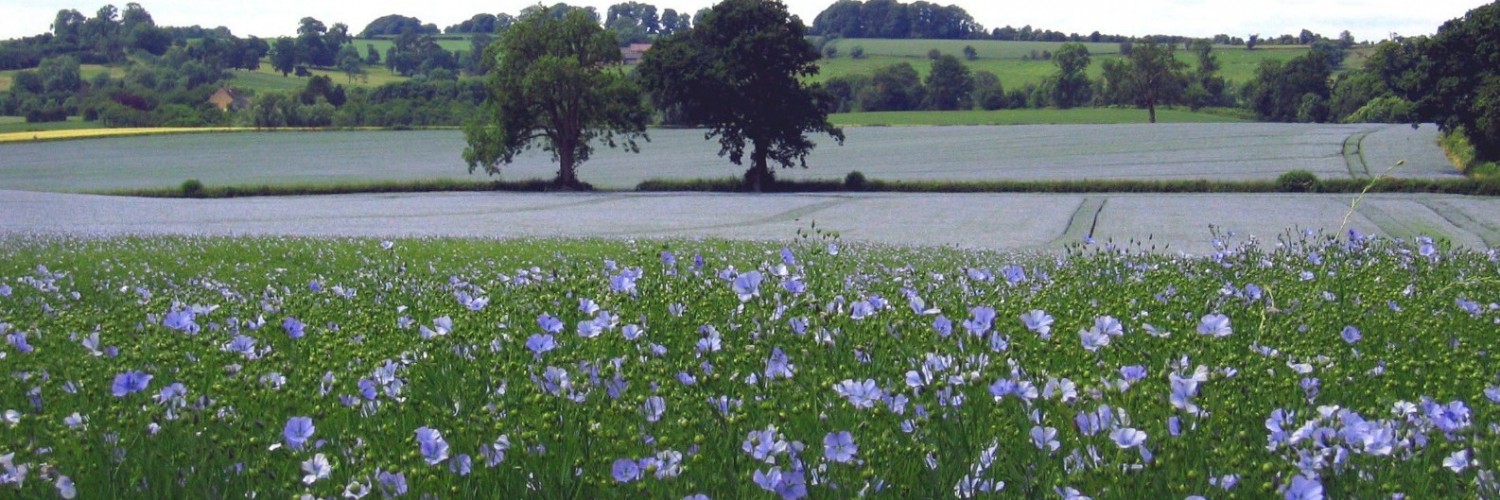
It’s the Same Plant
In this context, linseed and flax are two names for the plant Linum usitatissimum. The botanical name means “the most useful flax.” It reflects the many ways the plant has been used throughout history for food, fibre and traditional medicine.
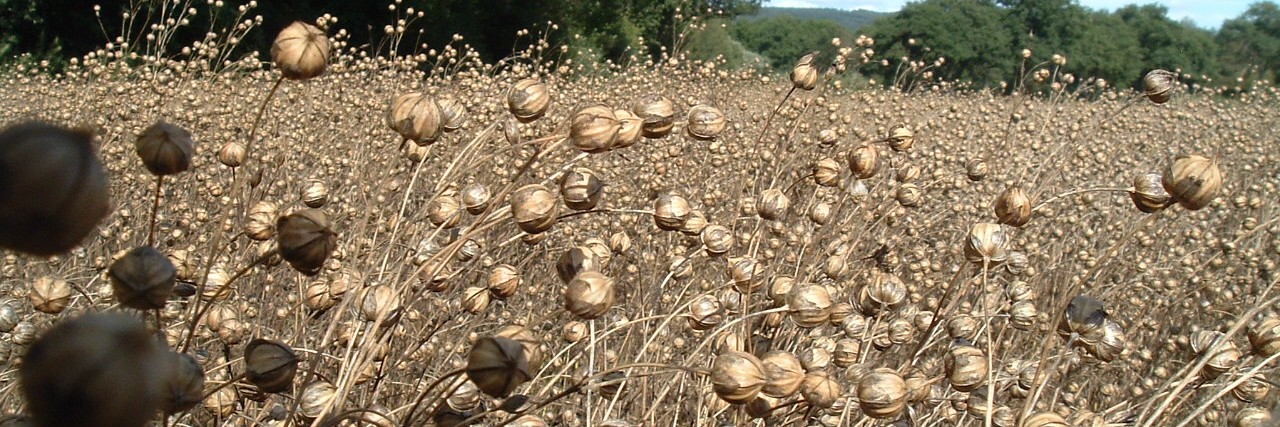
Over thousands of years, the plant has been developed into two important crops. One is grown for the strong fibres used to make linen. The other is grown for its oil-rich seeds, which are used in the Budwig Diet
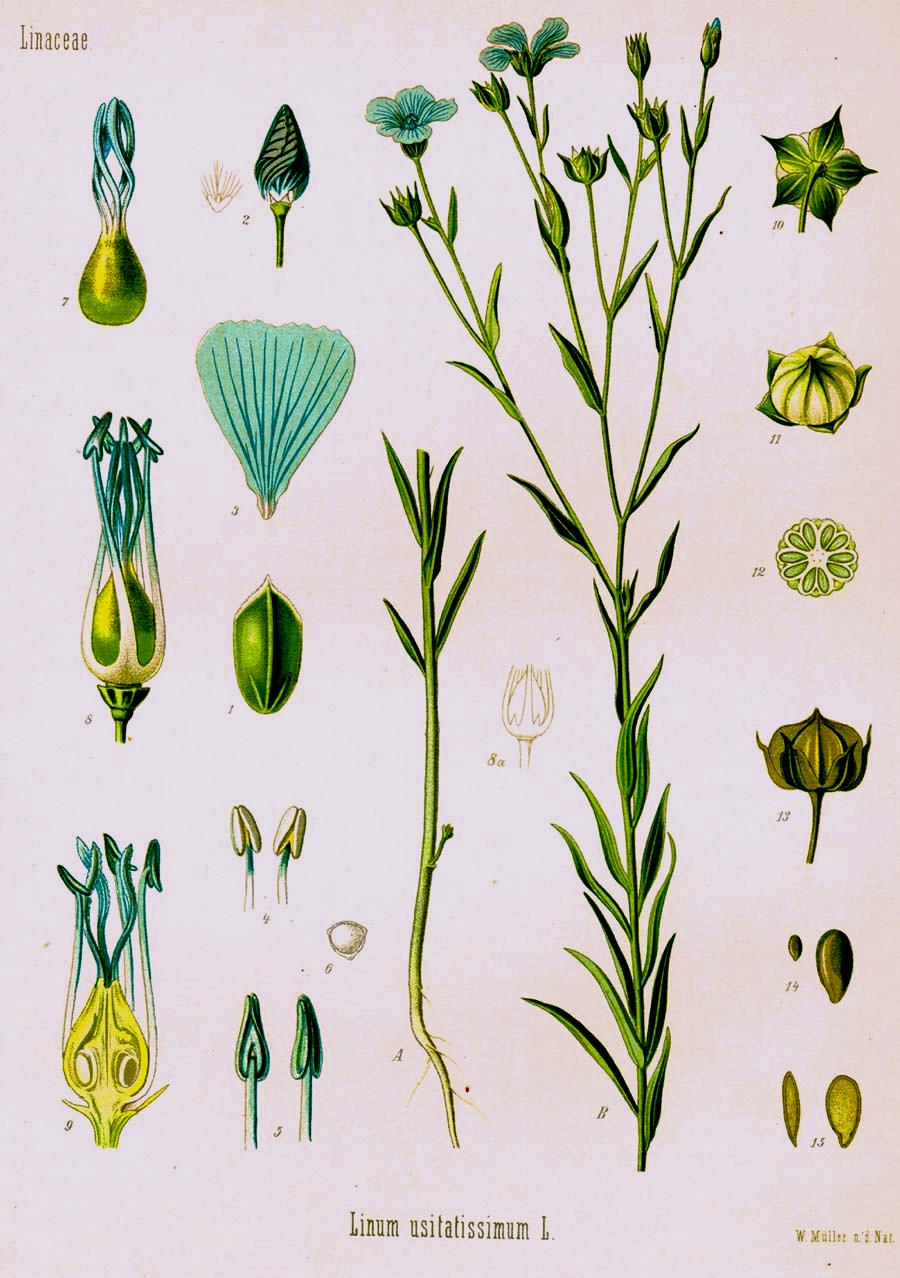
Linseed or Flax?
However, in North America, the edible seed is almost always called flaxseed. Flax has also become the common name in the UK in recent years,
When used as a food, linseed and flaxseed are exactly the same thing.
Don’t Eat the Linseed Oil That’s for Cricket Bats!
Confusion can be caused by linseed oil, which in North America refers to industrial oil used in paints, varnishes and wood treatments rather than food.
In the UK, industrial linseed oil is sold for treating wood, oil painting and seasoning cricket bats. This is made differently from food-grade flaxseed oil and is rank, rancid and can be downright toxic. It must never be eaten. Instead, always choose fresh, cold-pressed flaxseed oil.
Linseed in Other European Languages
Dr Johanna Budwig was German. She referred to “Leinsamen” (linseed) and “Leinöl” (linseed oil). These names are similar in many European languages.
- Danish: hørfrø, hørfrøolie, linolie
- Dutch: lijnzaad
- French: graines de lin, huile de lin
- German: Leinsamen, Leinöl
- Italian: semi di lino, olio di semi di lino
- Portuguese: linhaça, óleo de linhaça
- Spanish: linaza, aceite de linaza
- Swedish: linfrö
“